



In a unique move that challenges the prevailing trends of digital consumption, filmmaker Robert dos Santos is set to release “This Is How The World Ends” exclusively on VHS, marking the first worldwide straight-to-VHS debut in twenty years. This release represents a significant shift in mentality within the film community, embracing a tangible experience amid a world increasingly focused on streaming and digital platforms.
Dos Santos, who takes on both writing and directing duties for this project via his company, And Films, is not just reviving a nostalgic format; he’s also redefining what it means to release a film “straight to VHS.” Historically associated with films that were deemed unfit for theatrical release, the term is now being reclaimed. As dos Santos explains, “Straight to VHS used to be a slur in the 90s. But not anymore. Today it represents that your film is crafted with intention, and made for those who truly love films.”
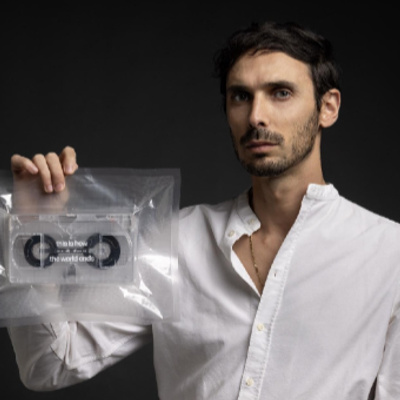
In an era overwhelmed by algorithms and artificial intelligence affecting media production and distribution, dos Santos and his team advocate for a more personal, collectible approach to cinema. They emphasize that the digital age has distanced audiences from the joys of physical media. “In the digital world of AI, streaming, and downloads, we’ve lost touch with what it means to fall in love with cinema,” they share. The filmmakers are determined to revitalize the communal experience of watching films together, evoking memories of selecting a movie to own and display on a shelf. 
The VHS release is strategically aligned with International VHS Day on June 7, 2026, setting the stage not just for a film, but for a revival movement encouraging a return to physical media. “This Is How The World Ends” aims to resonate with audiences by encapsulating a moment of uncertainty and transition within both the film industry and society at large.
Rather than viewing current technological changes with despair, dos Santos and his film team see it as an opportunity for creative expression. Movements that celebrate physical formats are positioned not merely as nostalgia but as an essential revival in a rapidly evolving media landscape. This pioneering release is set to challenge conventional distribution methods in an age where ownership and direct engagement with film is becoming increasingly rare. Dos Santos asserts, “This is a film that is made by humans, for humans. This is cinema you can hold, touch, and most importantly own.”