






Emerging as a significant force within the global music landscape, afrofusion artist Sean Dampte has officially launched his highly anticipated album, “Awoodah: Sounds of Kalakuta” — a project that encapsulates his artistic evolution and identity.
Fans have eagerly awaited this release since the announcement of its supporting singles: “Gbera,” “General Overseer,” and “Lifestyle.” These tracks have already earned notable recognition from music critics at platforms such as Numero Magazine, Live Nation’s Ones To Watch, Notion Magazine, and IGGY Magazine. The album, which is also stylized as ASK, not only highlights Dampte’s musical influences but serves as a manifesto reflecting a year of introspective growth and self-governance.
The essence of the album emerges from its very title; “Kalakuta” symbolizes a fearless independence of thought and a rejection of any form of mental colonization. Sean Dampte describes this collection as an exploration of one’s self-governance, stating, “it’s what happens when you stop reacting to the world and start governing yourself.” The album’s creative synergy balances controlled confidence and disciplined ambition, merging Lagos’s vibrant soundscapes with an intent that resonates globally. 
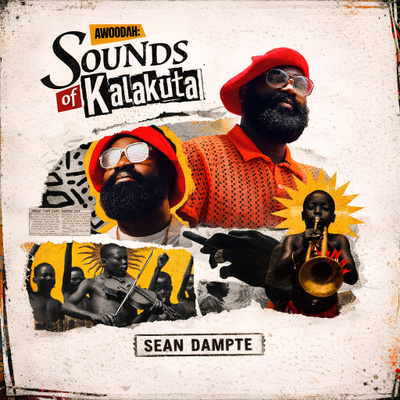
Comprising 13 tracks, “Awoodah: Sounds of Kalakuta” invites listeners into a multi-faceted experience that begins with the thought-provoking opener “As You Can See.” This track establishes a reflective ethos with its compelling message encapsulated in the lyric, “the wealthy don’t announce their wealth.” Further works, such as “Wata Bam Bam” and “Ajinomoto,” delve into themes of personal growth and impactful living, while “Maybe I C U” captures both romance and self-assuredness. The album intertwines English, Yoruba, and street lexicon, enriching its cultural narrative.
As the music unfolds, it further explores isolation and aspiration through tracks like “Ma Level” and “Blessings On Blessings,” each track infused with a spirit of gratitude accompanying the journey toward success. The energetic vibe of “Mo Wo Timbolo” contrasts with the introspective narrative of the closing track, which features renowned Hausa rap artist Magnito and highlights Sean’s transformative journey.
Reflecting on the album’s significance, Dampte notes, “Awoodah is not just an album, it’s a position. It’s Lagos spirit with discipline.” This project aims to connect with listeners on a deeper level, encouraging them to ponder their own narratives of identity and self-governance. With “Awoodah: Sounds of Kalakuta,” Sean Dampte establishes himself not only as a musician but also as a vital cultural voice, inspiring conversations about personal and artistic identity transcending current global conditions.